At Craftyhome Artist, our goal is to share useful, approachable and inspiring information about DIY arts and crafts, resin projects, handmade jewellery and other creative projects.
These Editorial Guidelines explain how content on Craftyhome Artist is planned, researched, created, reviewed, published, updated and corrected. They are intended to help our readers understand the standards we aim to follow and how we work to keep our content helpful, clear and trustworthy.
What Craftyhome Artist Stands For
Craftyhome Artist is built around creativity, learning and the joy of making things by hand.
We believe crafting does not have to be complicated or perfect to be meaningful. Many creative skills are developed by trying, practising, making mistakes and improving along the way.
Our content is created with this practical approach in mind. We aim to help readers discover craft ideas, understand materials and techniques, and feel more confident about trying projects themselves.
Our editorial priorities are:
- Clear and easy-to-understand information
- Practical guidance for craft projects
- Honest descriptions of our experience
- Useful photographs and visuals where appropriate
- Responsible research and sourcing
- Transparency about how our content is created
- Updating information when we discover something that could make an article more useful or accurate
We do not claim that every technique is the only or best way to complete a project. Crafting often involves experimentation, and different materials, tools and techniques may produce different results.
How an Article Moves From Idea to Publication
Topic Selection
Topics for Craftyhome Artist may come from projects we are currently making, techniques we are learning, questions that crafters commonly ask, seasonal craft ideas, reader interests and subjects that could be useful to people searching for DIY inspiration.
Our content may cover areas such as handmade jewellery, resin crafts, magnetic bookmarks, creative paper projects and other handmade art and craft ideas.
We may also research what readers are looking for online to understand which questions or craft problems would be useful to address.
Reader Purpose
Before developing an article, we aim to consider what the reader should be able to understand or accomplish after reading it.
For a tutorial, for example, this could mean understanding the materials required, following the basic steps and learning practical tips that may make the project easier.
Research
Some Craftyhome Artist articles are based partly on our own craft-making experience and observations.
When additional information is required, we may consult reliable sources such as manufacturer instructions, product documentation, official websites and other credible references.
We try to distinguish between something we have personally tried and information learned through research.
Drafting
Articles are written and organised so that readers can follow them easily, particularly on mobile devices.
Depending on the subject, an article may include:
- Materials or tools required
- Step-by-step instructions
- Photographs of the project
- Practical observations
- Tips learned while making the project
- Alternative materials or methods where appropriate
- Common problems or things to watch for
Not every article will contain all of these elements.
Fact-Checking
Before publication, we make reasonable efforts to check factual information that could affect the usefulness of an article.
This can include product names, measurements, material descriptions, instructions, links and other factual details.
Where information may vary between products or manufacturers, we aim to make that clear rather than presenting one specification as universal.
Editorial Review
Craftyhome Artist is currently a creator-led website rather than a large publication with a separate newsroom or editorial board.
Content is therefore reviewed with particular attention to clarity, accuracy, readability and whether the article genuinely helps the reader.
We may revise confusing instructions, remove unnecessary information, add explanations or improve the organisation of an article before publication.
Visual and Formatting Review
Craft content is highly visual, so photographs and other visuals can be an important part of explaining a project.
Where appropriate, we review photographs, headings, lists, spacing and other page elements to make sure the article is easy to follow.
Final Review and Publication
Before publishing, we aim to make sure that an article has a clear purpose, is reasonably researched, is understandable and does not make claims that cannot be supported.
Who Creates and Reviews Our Content
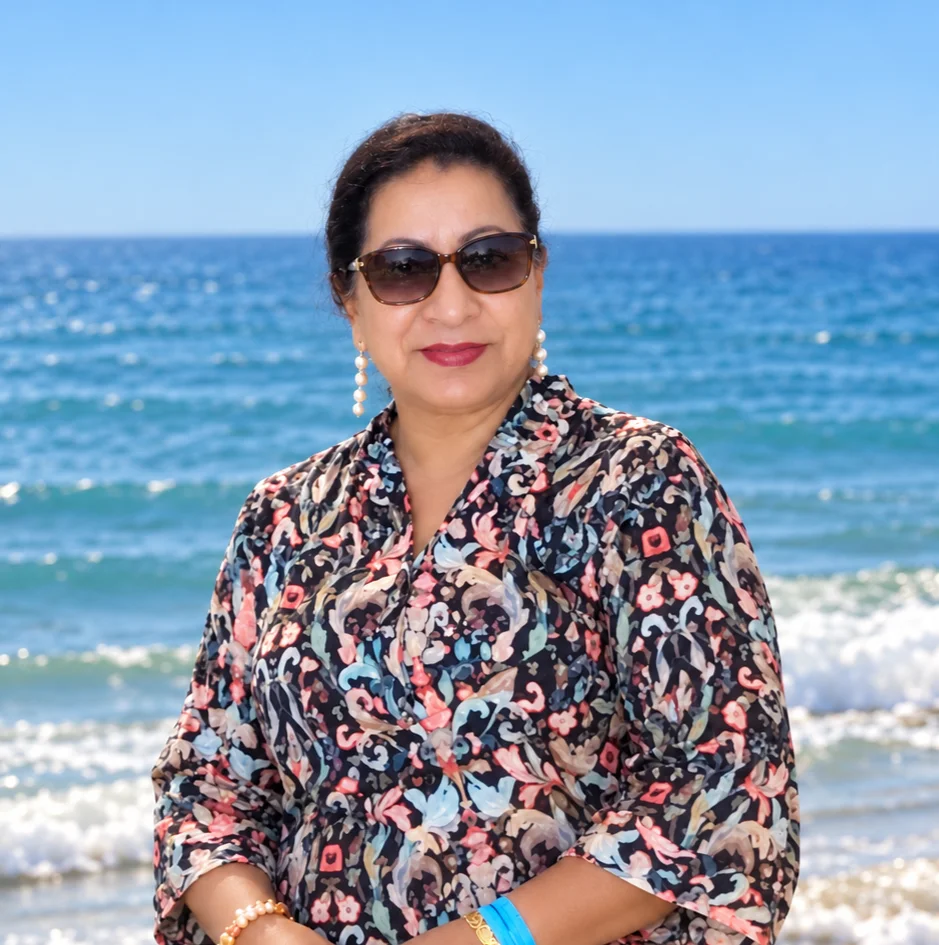
Craftyhome Artist is founded and created by Juliana Martis, who develops handmade projects and shares what she learns through the creative process.
The website reflects an independent maker’s experience of learning and experimenting with different forms of art and craft.
At present, Craftyhome Artist should not be understood as a large editorial organisation with a newsroom, formal editorial board or team of professional craft experts.
Where contributors or specialists are involved in content in the future, their role may be identified where appropriate.
Final responsibility for content published on Craftyhome Artist remains with the website.
How We Research Craft Content
For us, useful research starts with the project and the reader’s practical questions.
Depending on the article, we may consider:
- What materials are required
- Material sizes or measurements
- How different craft materials behave
- Manufacturer instructions
- Tools needed for a project
- Different ways of completing a step
- Common difficulties
- Finishing and presentation
- Storage or care where relevant
- Practical lessons discovered while making a project
Our own experience can provide valuable practical information, but personal experience is not presented as scientific or professional evidence.
When information requires verification beyond our experience, we aim to consult appropriate sources.
How We Check Sources
The type of source we use depends on the information being checked.
Where appropriate, we prefer sources close to the original information, such as:
- Official manufacturer or brand information
- Product instructions and documentation
- Official websites
- Original documentation
- Government or recognised institutional information when relevant
Credible secondary sources may also be consulted when they provide useful context or explanation.
Information that appears outdated, unsupported or impossible to verify may be excluded or described cautiously.
Because products, prices, availability and online information can change, readers should also confirm important current details with the relevant manufacturer, retailer or official source.
What We Fact-Check
Depending on the article, our fact-checking may include:
- Material and product names
- Measurements and dimensions
- Quantities
- Craft terminology
- Product specifications
- Manufacturer instructions
- Links and references
- Prices when mentioned
- Product availability when relevant
- Attributions
- Time-sensitive information
We also try to distinguish factual statements from personal experience, suggestions and creative preferences.
A recommendation or observation based on our own craft experience is not presented as a universal fact.
Practical Experience and Learning
A central part of Craftyhome Artist is learning through making.
When we create a project ourselves, we may share what happened during the process, what worked for us and useful changes we discovered along the way.
For example, a tutorial may include photographs taken while making a project, observations about how materials behaved or adjustments that made a later attempt easier.
We believe this type of practical learning can be useful to other crafters, provided it is described honestly.
We do not present ourselves as holding professional qualifications, certifications or specialist credentials unless those qualifications are specifically stated.
Craft projects may involve tools, adhesives, resin, heat, chemicals or other materials requiring careful handling. Readers should always follow manufacturer safety instructions and use materials appropriately.
What We Look for Before Publishing
Before an article is published, we aim to check that:
- It has a clear purpose for the reader.
- Instructions are understandable.
- Important factual claims have been reasonably checked.
- Personal experience and researched information are not misleadingly presented as the same thing.
- The article provides useful or meaningful information.
- Measurements and material details are clear where relevant.
- Photographs or visuals support the content where appropriate.
- Sources are credited when necessary.
- Commercial relationships are disclosed when applicable.
- The page is readable on different devices.
- The article has received a final review before publication.
These standards are intended to improve our work rather than suggest that mistakes can never occur.
AI and Technology in Our Editorial Process
Craftyhome Artist may use artificial intelligence and other digital tools as part of the content-creation process.
AI tools may assist with tasks such as brainstorming, organising ideas, creating outlines, improving grammar and readability, identifying questions that need further research and assisting with editing.
AI-generated information is not automatically treated as fact.
Information that matters to the accuracy of an article should be reviewed and, where appropriate, checked against other sources before publication.
Technology is used as a creative and editorial aid. Human judgment remains important in deciding what is appropriate for Craftyhome Artist and what is ultimately published.
We may also use digital tools to assist with images or other creative content. Where necessary, visuals are intended to support or illustrate the content rather than misrepresent a project or result.
Editorial Independence
Editorial decisions at Craftyhome Artist are guided primarily by what we believe will be useful and relevant to our readers.
If the website develops commercial relationships, such as advertising, affiliate partnerships, sponsorships or gifted-product arrangements, we aim to keep those relationships transparent.
A commercial relationship does not automatically determine what we say about a product, material or technique.
Where disclosure is appropriate, we aim to make it reasonably clear to readers.
Affiliate Links, Sponsorships and Partnerships
Craftyhome Artist may introduce affiliate links, sponsorships, gifted products or brand partnerships as the website develops.
When such relationships apply, we aim to disclose them clearly and in accordance with applicable requirements.
An affiliate link may allow the website to earn a commission if a reader makes a qualifying purchase, generally without adding an additional cost to the reader.
We will not describe a product as personally used or tested unless that reflects our actual experience.
Sponsored or gifted relationships, when applicable, should not be presented as independent purchases or experiences if they were not.
Separate disclosures may provide additional information about commercial relationships on the website.
How We Keep Articles Current
Crafting methods, products and online resources can change over time.
Articles on Craftyhome Artist may therefore be reviewed periodically, particularly when we become aware that information needs improvement or updating.
Updates may include:
- Correcting inaccurate or outdated information
- Improving instructions
- Adding useful lessons learned after publication
- Replacing broken links
- Updating product or material information
- Clarifying measurements or terminology
- Improving photographs or visuals
- Replacing outdated references
- Adding information that makes a project easier to understand
A meaningful update may involve changing important information or adding substantial new guidance. Minor changes may include spelling, grammar, formatting or readability improvements.
We do not guarantee that every page will always contain the latest product price, availability or specification, particularly where information is controlled by third parties.
Reader Feedback and Corrections
We welcome readers pointing out information that may need attention.
You may contact us if you notice:
- A factual error
- Outdated information
- A broken link
- An incorrect measurement
- Unclear instructions
- A misleading statement
- An attribution concern
- Another editorial issue
When a credible correction is brought to our attention, we aim to review it as promptly as practical.
Some corrections may require checking the original source, manufacturer information or other supporting material before a change can be made.
If an error is confirmed, we may correct, clarify or update the article as appropriate.
Reader feedback can also help us improve future content and make instructions easier for other crafters to follow.
Contact Us About Editorial Content
For questions, corrections or concerns about content published on Craftyhome Artist, please contact:
Email: craftyhomeartist.in@gmail.com
When reporting an editorial issue, it is helpful to include:
- The title of the article
- The page or article URL
- The specific sentence, instruction or information you are concerned about
- A brief explanation of the issue
- A supporting source or reference, if available
We appreciate thoughtful feedback that helps us keep Craftyhome Artist useful, clear and trustworthy for people who enjoy learning, creating and making things by hand.